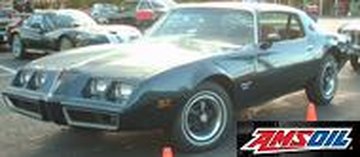
Engine Lubrication Care for the 1981 Pontiac FIREBIRD 4.9L Turbo
Maintaining the lubrication system of a turbocharged 4.9L engine requires consistent attention to detail and an understanding of how different components interact under heat and pressure. For owners of this specific 1981 Pontiac Firebird, staying ahead of routine service tasks can help ensure the longevity of the engine and its various supporting systems.Monitoring Fluid Integrity and Condition
A primary aspect of engine care involves observing the physical state of the lubricant during regular checks. The appearance and smell of the oil can provide important clues regarding the internal environment of the engine. While changes in oil color or texture can occur naturally over time, significant deviations warrant closer inspection. If the oil appears excessively dark or contains visible particulates, it may indicate that the lubricant has reached the end of its effective service life or that contaminants are present. Furthermore, any unusual odors emanating from the crankcase area should be investigated. While many factors can influence these characteristics, maintaining a regular schedule for fluid evaluation is a fundamental part of responsible ownership. Beyond the oil itself, it is useful to monitor the surrounding areas for signs of seepage. Inspecting various gaskets and seals for evidence of weeping or active leaks allows for repairs to be addressed before they escalate into more significant issues. This includes checking the area around the engine block and any accessible sealing surfaces to ensure that the lubrication remains contained where it is intended to function.Observing Potential Warning Signs
When operating a vehicle, certain symptoms can serve as early indicators that the lubrication or cooling systems require attention. It is important to remember that many symptoms are not definitive diagnoses; rather, they are signals that warrant professional investigation. For example, if you notice unusual mechanical noises while the engine is running, this could be associated with various internal or external components. Similarly, any unexpected changes in how the engine performs or sounds shortly after a service interval should be noted. If the vehicle exhibits signs of overheating, such as rising temperature gauges or steam, it is critical to investigate the cooling system and ensure that all fluid levels are appropriate for the application. In some instances, an owner might notice unusual exhaust characteristics. While these can be caused by many different factors, they are often worth monitoring alongside oil consumption levels. If you find yourself needing to add lubricant more frequently than usual, this is a clear sign that the engine's lubrication needs should be evaluated by a technician to determine the underlying cause.Prioritizing Long-Term Maintenance Decisions
As a vehicle ages, the strategy for maintenance often shifts from simple part replacement to a more condition-based approach. For a 1981 Pontiac Firebird, this means using the actual state of the mechanical components to dictate service priorities rather than relying solely on the age of the car. One effective way to manage long-term care is to establish a maintenance baseline. If you do not have access to a complete history of previous repairs and fluid changes, performing a thorough inspection of all major systems can help create this starting point. Once a baseline is established, you can more easily identify when a component is deviating from its normal operating state. When managing an older engine, it is helpful to distinguish between preventive maintenance—such as changing filters and fluids according to the appropriate schedule—and the replacement of parts that still appear to be in good condition. Addressing active leaks or addressing overdue service tasks should always take precedence over non-essential aesthetic or secondary repairs. Keeping a detailed log of all completed services, including the specific products used and the dates they were applied, will prove invaluable for both current maintenance and future resale value.Inspecting Aging Components and Connections
Regularly inspecting the peripheral components that support the engine is just as important as monitoring the oil itself. For an engine from this era, several areas deserve periodic attention:- Electrical Connections: Inspect wiring harnesses and electrical connectors for signs of corrosion, fraying, or loose connections. Ensuring stable electrical signals is vital for consistent engine operation.
- Hoses and Belts: If equipped, inspect all accessible rubber hoses for signs of cracking, softening, or bulging. Similarly, check any drive belts for glazing, fraying, or deterioration. These components are subject to significant heat cycles and can change condition over time.
- Air Filtration: A clean air intake system is essential for efficient combustion. Inspect the air filter housing and the filter itself to ensure that debris and contaminants are being effectively blocked from entering the engine.
- Sealing Surfaces: Beyond just looking for leaks, examine the integrity of various mounting surfaces and gaskets to ensure they remain seated and effective.
Selecting Lubricants for High-Performance Applications
The 4.9L engine in this Firebird is a specialized application, particularly given the turbo configuration indicated by the [T] engine code. Turbocharged engines often operate under higher thermal loads than naturally aspirated engines, which places specific demands on the lubricant used. When considering different types of oil, it is helpful to understand the general characteristics available in the market:- Conventional Oils: These are standard mineral-based lubricants that have been used for decades.
- Synthetic and Synthetic Blends: These formulations often provide different levels of thermal stability and resistance to oxidation compared to conventional oils.
- High-Mileage Formulations: Some high-mileage oil formulations contain additives intended for use in aging engines, including seal-conditioning additives that may help maintain the integrity of older gaskets.